

WESLEY CHAPEL, FL — Every year, the Friday after Thanksgiving brings the same scene to the Tampa Bay area: early alarms, long parking-lot lines and shoppers deciding whether a deal is worth a pre-dawn drive. The name behind that ritual, Black Friday, is often explained as the moment stores moved from losses written in red ink to profits written in black. It is a neat story — and largely a marketing invention.
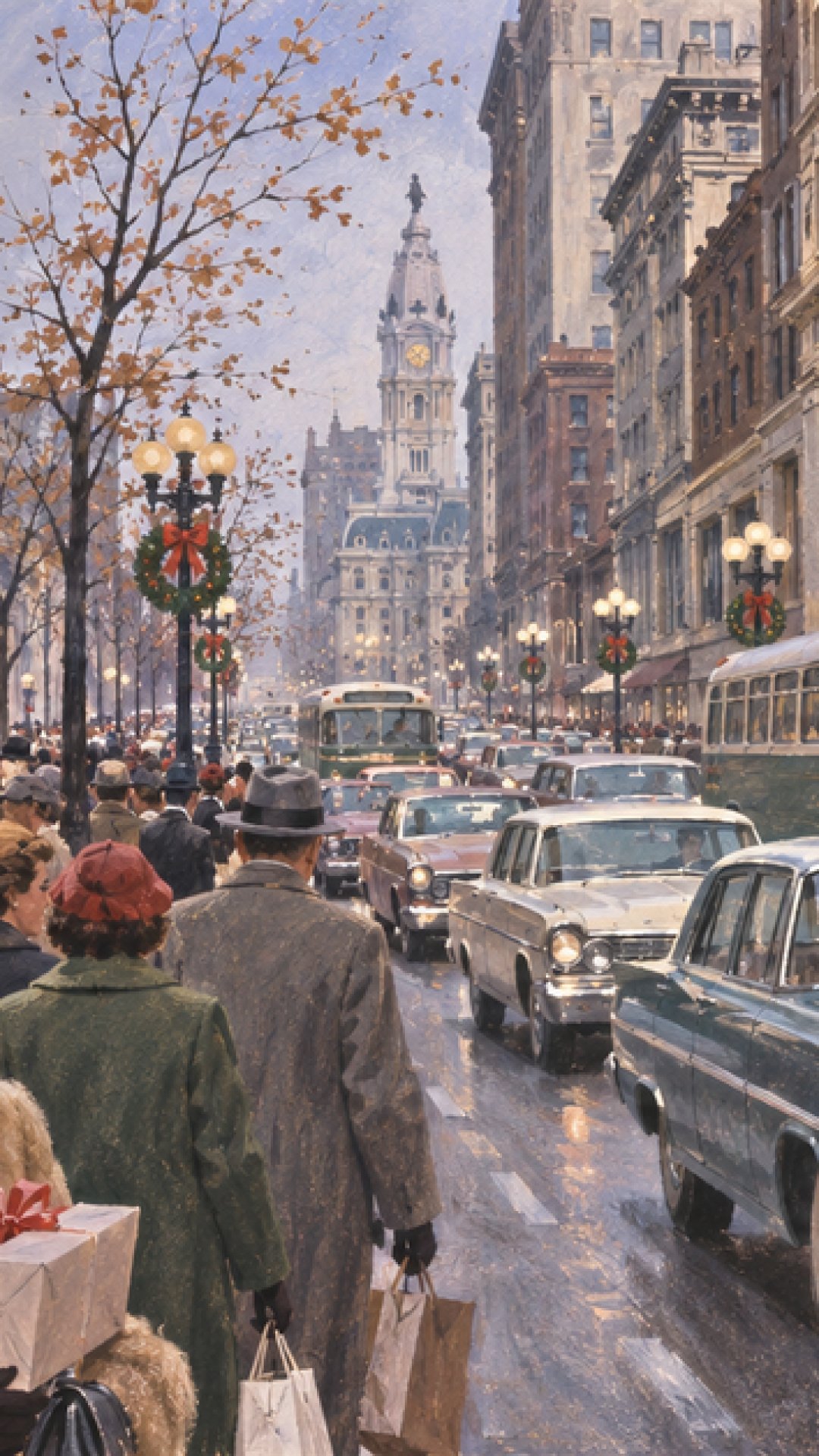
The shopping-day meaning of Black Friday took hold in Philadelphia, where police used the phrase for the post-Thanksgiving crush of traffic and pedestrians in Center City. The city was also preparing for the annual Army–Navy football game, then a major Philadelphia weekend draw. What is now a worldwide retail event began as a local shorthand for a difficult shift.
A much older Black Friday: Wall Street, 1869
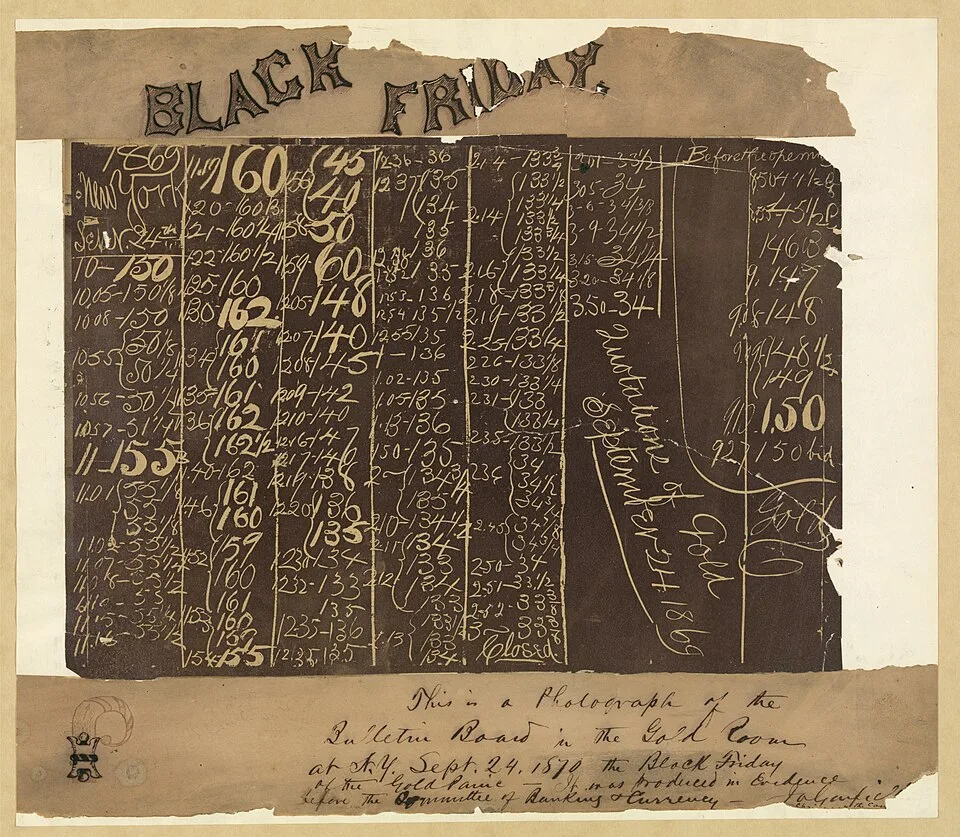
Long before the phrase was connected with holiday shopping, Americans used it for a financial disaster. On Sept. 24, 1869, financiers Jay Gould and Jim Fisk tried to corner the U.S. gold market. When the federal government released gold into the market, the price collapsed. Brokerage firms failed, investors were devastated and the day entered history as the Black Friday gold panic.
That episode matters because it separates two histories that are often blended together: the 1869 Black Friday was a Wall Street crisis; the Black Friday associated with Thanksgiving shopping came much later.
The first Thanksgiving-era use was not about shopping
Researchers have found a 1951 use of “Black Friday” for the day after Thanksgiving in the trade magazine Factory Management and Maintenance. There, it referred to employers coping with heavy worker absenteeism after the holiday — not shoppers flooding stores. The phrase had a negative flavor, but it was not yet the national retail label we know today.
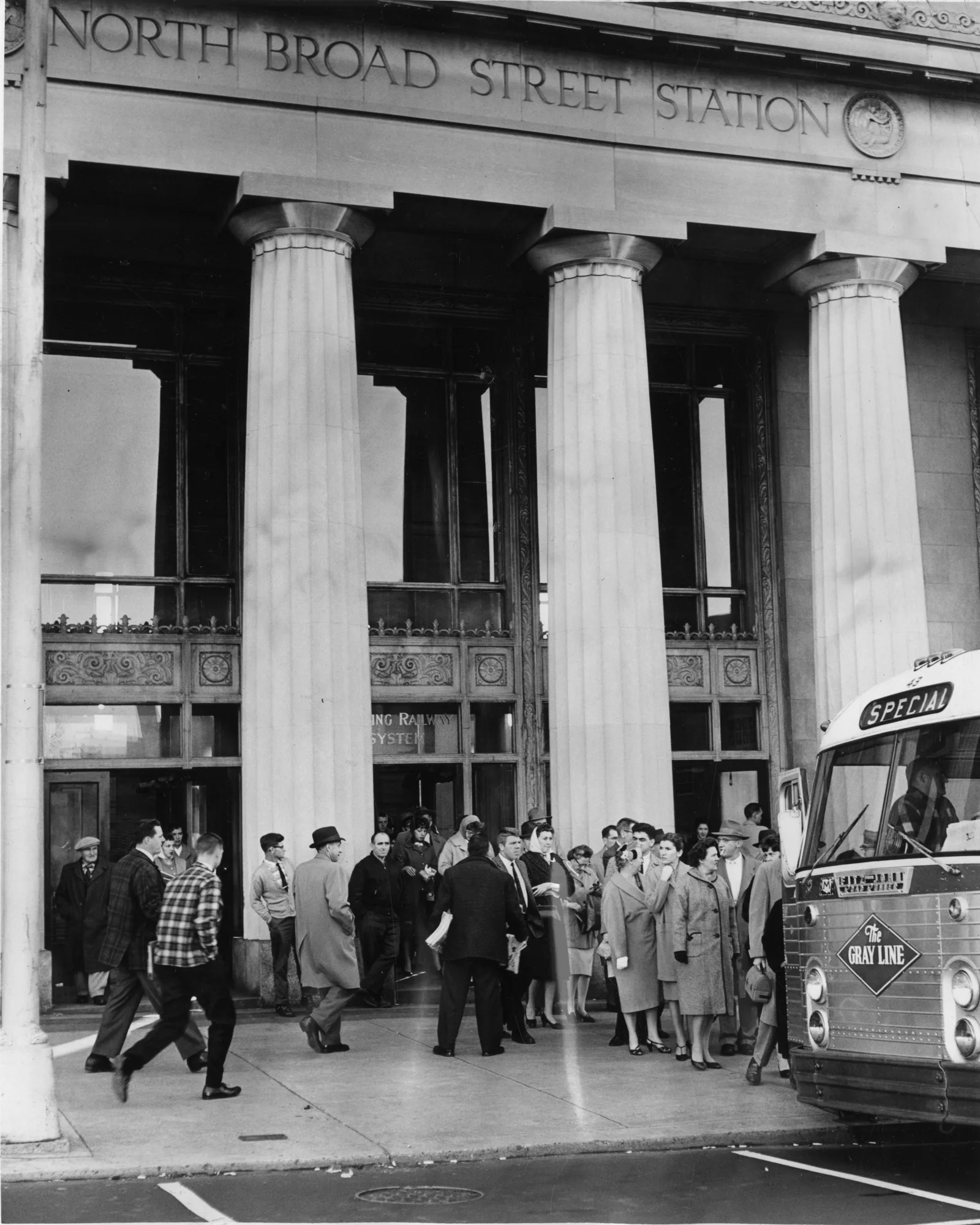
The shopping meaning solidified in Philadelphia. A 1961 item in Public Relations News described post-Thanksgiving traffic jams as a problem for police and said that Philadelphia officers customarily called the days after Thanksgiving “Black Friday” and “Black Saturday.” The evidence does not require us to imagine a single officer coining a perfect slogan; it shows that the phrase was already part of the city’s working vocabulary.
Why Philadelphia police saw a black day
The Friday after Thanksgiving brought shoppers from the suburbs into Center City just as visitors were arriving for the Army–Navy game traditionally held in Philadelphia that weekend. Streets, garages, sidewalks and transit routes all faced unusual pressure. Police officers had extended assignments and little room for routine time off.
The phrase was not a description of discounts. It described congestion, crowds, petty theft concerns and the workload facing people assigned to manage the city. For residents in Wesley Chapel, where a short trip to a shopping center can turn into a long one during holiday peaks, that origin still feels familiar: Black Friday began as a story about logistics before it became a story about prices.
“Big Friday” lost; the retail version won
Philadelphia officials and merchants tried to replace the gloomy name with “Big Friday” in the early 1960s. The effort did not stick. Black Friday was already too useful — and too recognizable — as a description of the crowds.
By the 1980s, retailers had a reason to give the name a more favorable explanation. The red-ink-to-black-ink story reframed a difficult city day as a moment of profitability. Old accounting books did use red and black ink, but there is no basis for treating one Friday as the day retailers broadly became profitable for the year. The explanation was effective public relations, not the origin of the name.
From a city problem to a global shopping calendar
Black Friday spread nationally in the late 1980s and 1990s as retailers built larger post-Thanksgiving promotions. In 2005, Shop.org, then the online arm of the National Retail Federation, introduced the name Cyber Monday for the Monday after Thanksgiving. The label helped turn a rising pattern of online shopping into another calendar event.
Today, the long weekend mixes local decisions with global marketing: whether to shop in person, order online, wait for a better price or skip the rush altogether. The most practical lesson from Black Friday’s origin is that the rush has always had a cost in time and pressure. A sale is only a bargain if the item, final price and return policy work for the person buying it.
What Wesley Chapel residents should know
- The retail meaning of Black Friday traces to Philadelphia’s post-Thanksgiving crowds and traffic, not a bookkeeping threshold.
- The 1869 gold panic was an earlier, separate use of the phrase Black Friday.
- The earliest known Thanksgiving-era reference, from 1951, described worker absenteeism rather than retail shopping.
- The red-ink-to-black-ink explanation became widespread much later as a retailer-friendly account of the name.
- Cyber Monday was branded in 2005 by Shop.org, a National Retail Federation division.