

Wesley Chapel Celebrates — Season 2: Thanksgiving in Wesley Chapel | Episode 4
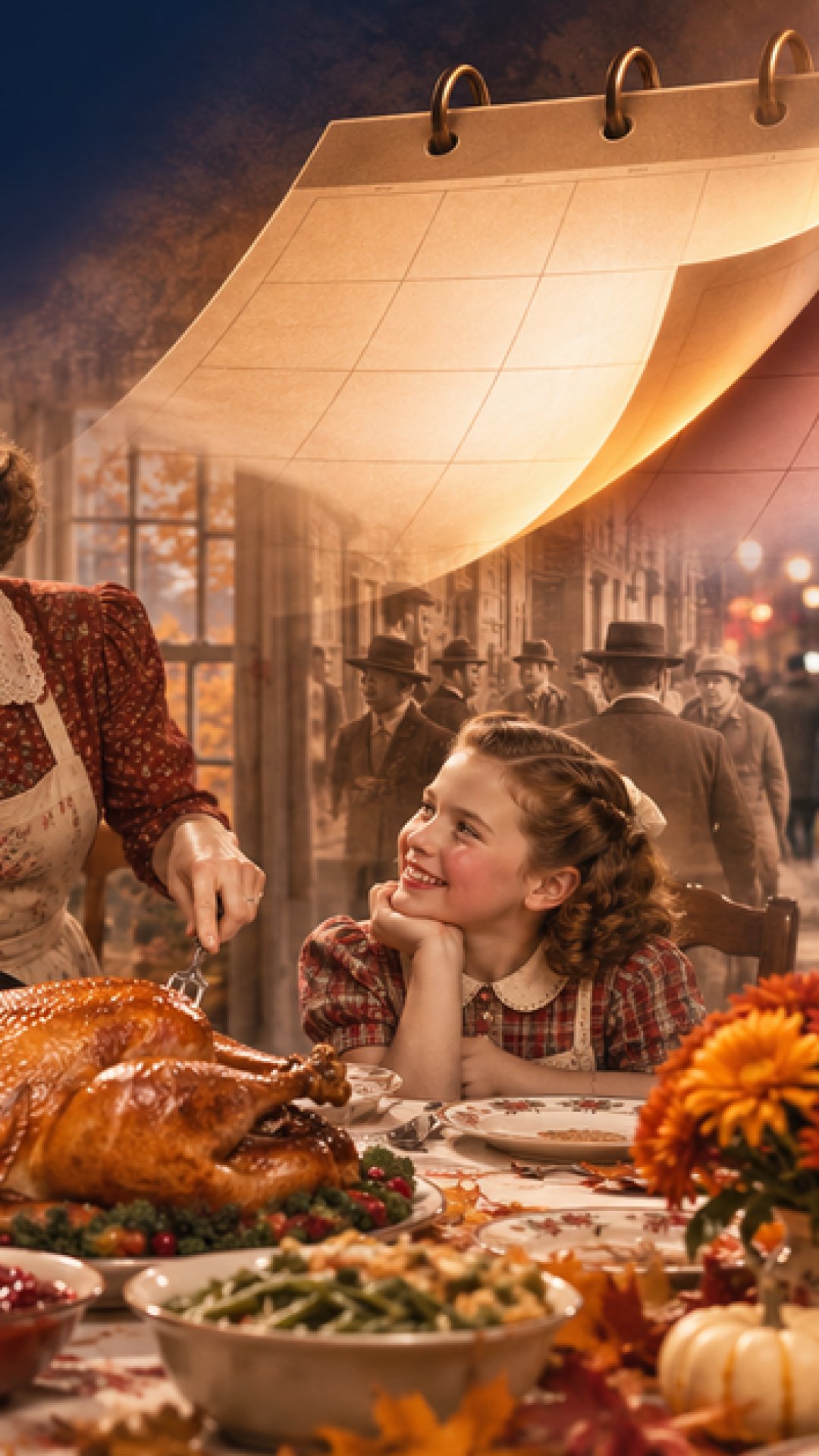
WESLEY CHAPEL, FL — Before Black Friday became a retail ritual, Thanksgiving was meant to be a national day of gratitude. That distinction mattered in 1939, when President Franklin D. Roosevelt moved the holiday and pulled Thanksgiving, politics and Christmas shopping into one national argument.
The episode became known as Franksgiving. It did not create Black Friday or invent holiday sales, but it helped establish the stable calendar that later made the Friday after Thanksgiving a predictable commercial moment.
Thanksgiving before the retail marker
For much of American history, Thanksgiving had no permanently fixed date in federal law. Presidents proclaimed it each year. After Abraham Lincoln’s 1863 proclamation, the country generally observed it on the last Thursday of November.
By the 1930s, the date mattered to businesses as well as families. Retailers regarded the Friday after Thanksgiving as the informal start of the Christmas shopping season. In 1939, November had five Thursdays, so the traditional date would have placed Thanksgiving on Nov. 30. Retail groups urged Roosevelt to move it a week earlier; he proclaimed Nov. 23 as Thanksgiving Day.
Franksgiving divided the country
Critics combined Roosevelt’s first name with Thanksgiving and called the earlier observance “Franksgiving.” States did not all follow the president’s date. Some observed Nov. 23, others Nov. 30, and a few recognized both, forcing families, schools, football programs, employers and retailers to decide which Thursday counted.

The conflict continued into 1940. It revealed that the country needed a single Thanksgiving date. Congress acted in 1941, and Roosevelt signed a resolution on Dec. 26 establishing Thanksgiving as the fourth Thursday in November.
Congress fixed Thanksgiving — not a shopping holiday
The 1941 law did not create Black Friday, order stores to hold sales or turn Thanksgiving into a commercial celebration. It fixed a national holiday centered on gratitude.
The stable date nonetheless created a dependable rhythm: Thanksgiving first, then a Friday open for travel, work, football, family returns and increasingly Christmas shopping. Commerce already existed; what businesses gained was a reliable place on the calendar.

The Friday found its name later
About a decade later, Philadelphia police officers used “Black Friday” for the post-Thanksgiving crush of traffic, crowds and shoplifting, intensified by visitors arriving for the Army–Navy football game. For police, bus drivers and taxi operators, it described a hard workday — not a cheerful retail slogan.
Retailers later popularized the red-ink-to-black-ink accounting explanation. It is memorable, but it followed the Philadelphia use of the term.
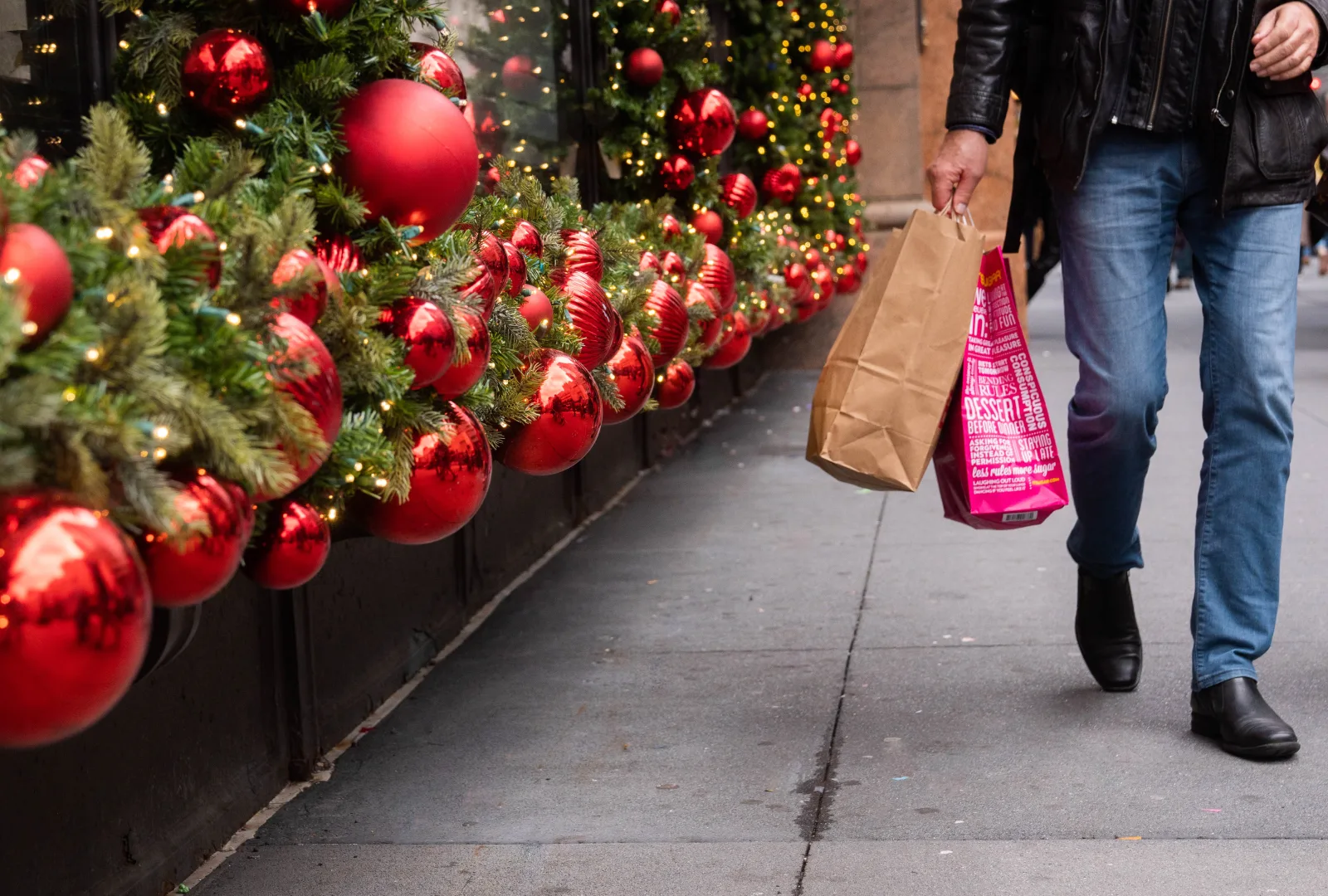
Franksgiving and Black Friday are linked by calendar and consequence, not direct creation. Franksgiving showed the value businesses placed on the period after Thanksgiving. Congress stabilized the holiday; years later, Black Friday gave the following day a name and retail gave it enormous scale.
Why it matters in Wesley Chapel
The Thanksgiving weekend now reaches Wesley Chapel through stores, online promotions, travel, football, family meals and charity events. The history is a reminder that Thanksgiving was not designed as a shopping holiday. The law ending Franksgiving settled the calendar; Americans later decided what the Friday after it would become.
What residents should know
- Thanksgiving has been observed on the fourth Thursday of November since legislation Roosevelt signed on Dec. 26, 1941.
- Roosevelt’s 1939 change sought, in part, to lengthen the Christmas shopping season during the Great Depression.
- Congress did not create Black Friday; the phrase emerged later in Philadelphia.
- A stable Thanksgiving date made the following Friday predictable, and consumers and retailers made it a major shopping tradition.
| Nº | Sources |
|---|---|
| 1 | National Archives — Congress Establishes Thanksgiving · archives.gov |
| 2 | National Archives — Thanksgiving: Another FDR Experiment · archives.gov |
| 3 | Library of Congress — Thanksgiving Finds a Permanent Home on the Calendar · loc.gov |
| 4 | The American Presidency Project — Proclamation 2373: Thanksgiving Day · presidency.ucsb.edu |
| 5 | Wikimedia Commons — Harbor Freight Kenosha, Black Friday 2024 (CC0) · commons.wikimedia.org |
| 6 | Wikimedia Commons — Black Friday shopping in Brisbane, 2023 (CC BY-SA 4.0) · commons.wikimedia.org |
| 7 | Wikimedia Commons — Macy’s Shopping Bag, Black Friday 2021 (CC BY 2.0) · commons.wikimedia.org |